



With support from the Ardmore Institute of Health and Healing Works Foundation, the Primary Care Collaborative (PCC) recently hosted a webinar exploring the role of nutrition in a primary care setting, with a focus on how clinicians can effectively implement nutrition-based interventions to enhance the health of their patients.
This conversation with health leaders showcased the many successful ways primary care teams are partnering with patients to support healthy eating and overall wellbeing. Panelists covered a range of topics around nutrition interventions from the evidence base, workforce considerations and implementation approaches to the policy and systems change needed to spread and scale them for better health.
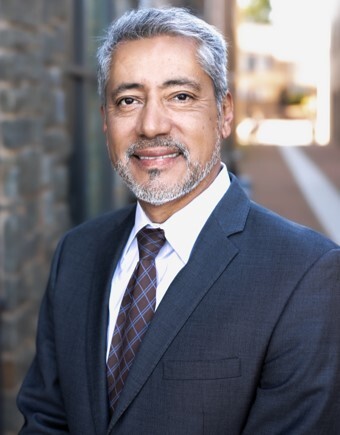
Moderated by Megan Douglas (National Center for Primary Care, Morehouse School of Medicine), the discussion featured Dr. Daniel Chen (Esperanza Health Center, American College of Lifestyle Medicine’s HEAL Initiative), Dr. Luis Padilla (National Association of Community Health Centers) and Brandon Wilson (Community Catalyst).
First, panelists described their personal motivations regarding the role of nutrition in primary care. Nearly a decade ago, Dr. Chen’s wife was diagnosed with pre-diabetes. Both physicians thought they could manage a dietary shift on their own but soon discovered how difficult navigating this became. Their introduction to a program called Mastering Diabetes and the T. Colin Campbell’s Center for Nutrition Studies proved life changing. They soon went toward the path of lifestyle medicine certification and became advocates of utilizing nutrition to reverse certain chronic diseases.
Dr. Padilla added historical context. He highlighted the story of Jack Geiger founding members of the health center movement. In 1966, he wrote prescriptions for food at the Delta Health Delta Health Center in Mound Bayou, Mississippi as community members faced malnutrition. Flash forward to 2024 and now health centers screen over seven million patients annually for non-clinical drivers of health.
Next, the conversation shifted to the evidence supporting nutrition in primary care. At Esperanza, they stock their food pantry with fiber-rich options, implement shared medical appointments that incorporate hands-on, practical culinary skills, incorporate behavioral health support and more. Through these efforts, Esperanza has seen greater patient motivation and knowledge to improve their nutrition and eating habits, weight loss, a decrease in blood pressure, a significant reduction in financial stress related to food purchasing for their households and more.
Dr. Wilson encouraged fellow panelists to think about workforce more broadly than clinicians, dietitians and community health workers. This also, critically, includes the organizations and relationships that make these interventions possible, including community-based organizations, food providers, caregivers, patient advocates and patients themselves.
Highlighting his work at Community Catalyst, Dr. Wilson explained that many communities already know a great deal on what they need to be healthier, but institutions often don’t listen until there’s enough research to “prove” it. People want to be listened to and a part of the decision-making process with clinicians they trust. It’s critical that institutions listen to communities and turn what is already known into meaningful action.
The conversation then turned to the policy changes needed to move these approaches from promising programs to sustainable, widespread practice. Dr. Padilla discussed requiring nutrition services as part of Section 330 grant funding for community health centers, with dedicated resources to support implementation, as well as investing in infrastructure such as food pharmacies, produce prescription and Food Rx programs, and community kitchens.
He also highlighted the potential for HHS and USDA to develop a joint Food Is Medicine strategy, including efforts to test and evaluate payment models for nutrition-based therapies. Better data collection and measurement were identified as important to understanding needs, demonstrating impact, and informing sustainable reimbursement pathways.
Policy solutions must also account for the broader funding landscape as Medicaid and SNAP cuts affect access to food and health care. Underscored was the need for sustainable funding and reimbursement mechanisms that extend beyond time-limited government pilots. This includes considering the roles of health plans, employers, health systems, and other partners in supporting nutrition interventions. State Medicaid agencies (SMAs) were also identified as important actors in building and sustaining these approaches.
As Dr. Wilson also emphasized, expanding access to nutrition-focused care will require looking beyond government policy alone.
Panelists agreed that there is no one-size-fits-all approach to health care. Programs should be community-tailored and flexible, while integrating screening and support into normal clinical workflows. Dr. Padilla further argued that in order to strengthen nutrition-focused health care teams, there needs to be an expansion of training and scholarships for clinicians, use of federal funding to support hiring and training nutrition staff, and for registered dietitians to be included in the National Health Service Corps.
Dr. Chen then described the health center as the hub of a larger community network, connecting patients to the people and resources they need. Utilizing existing resources and community relationships to make lifestyle and nutrition programs practical and sustainable goes beyond treating disease and addresses underlying issues including nutrition, sleep, stress and more through community engagement. Dr. Wilson emphasized building trust as clinicians translate medical recommendations into realistic everyday solutions to oftentimes social and economic problems.
As Douglas points out, improving coordination between nutrition and primary care is both a governmental policy issue but also one that involves community and clinician effort. Both entities working together could prove incredibly helpful toward forwarding this important facet of comprehensive, whole-person primary care.
Ultimately, the webinar underscored that nutrition is central to fostering comprehensive primary care. Panelists called for moving beyond short-term pilots to sustainable, paid-for models that link clinics, community partners and food systems in ways that build trust and honor patients’ dignity and lived realities. For primary care to deliver on its promise, it must ensure people have not only prescriptions and visits, but reliable access to proper nutrition as a core part of care.
Also – on November 12th, the PCC will celebrate its 20th birthday with a special DC Fall Forum. We encourage people to visit the event’s landing page in order to learn more about the event, register for this celebration, learn more about event sponsorship opportunities for your organization, and find other ways that you can engage with the PCC and broader primary care community. We also appreciate any individual donations that folks can provide in recognition of our 20th birthday, and to support our ongoing efforts to improve the nation’s health and well-being by strengthening primary care.

